
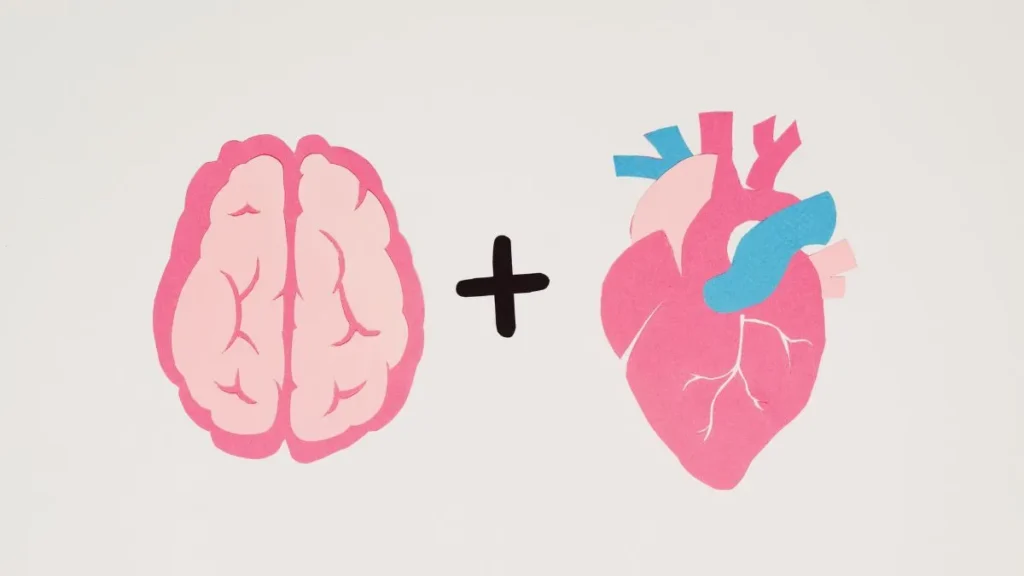
In an age of constant distraction and overwhelming stimulation, achieving mental clarity and inner peace has become one of humanity’s most sought-after goals. The ancient wisdom of the mind body connection offers a scientifically validated pathway to these states, revealing that our thoughts, emotions, and physical sensations are not separate entities but interconnected aspects of a unified whole. Understanding and harnessing this profound relationship can transform how we experience life, replacing mental fog and emotional turbulence with crystalline awareness and deep tranquility.
Understanding the Mind-Body Connection: Beyond the Illusion of Separation
The mind-body connection represents the bidirectional communication system between our psychological and physiological processes. Far from being merely philosophical, this relationship has been extensively documented through decades of neuroscience research. The National Institutes of Health has invested substantial resources in studying how mental states influence physical health and vice versa, revealing mechanisms that bridge the perceived gap between mind and matter.
Your brain and body engage in continuous conversation through neural pathways, hormonal signals, and immune system messengers. When you experience a stressful thought, your body responds within milliseconds—muscles tense, heart rate increases, digestion slows, and inflammation markers rise. Similarly, when you change your physical state through movement or breathwork, your mental state shifts accordingly.
This interconnection explains why meditation practices can lower blood pressure, why chronic pain often accompanies depression, and why physical exercise relieves anxiety. The mind-body connection isn’t a metaphor—it’s the fundamental architecture of human experience, operating whether we’re conscious of it or not.
The Neuroscience Behind Mental Clarity and Inner Peace
Mental clarity emerges when the prefrontal cortex—responsible for executive function, decision-making, and focused attention—operates optimally while the amygdala—our threat detection center—remains calm. Research published in Frontiers in Human Neuroscience demonstrates that practices strengthening the mind-body connection literally reshape brain structure and function.
The default mode network, active during mind-wandering and self-referential thinking, often creates the mental noise that obscures clarity. When this network becomes hyperactive, we experience rumination, worry, and the exhausting mental chatter that prevents peace. Practices that enhance the mind-body connection quiet this network, allowing the brain to function more efficiently and peacefully.
Neuroplasticity—the brain’s ability to reorganize itself—means that strengthening your mind-body connection creates lasting changes in neural architecture. Regular practice increases gray matter density in regions associated with emotional regulation, self-awareness, and attention while decreasing activity in areas linked to anxiety and stress reactivity.
Inner peace correlates with balanced neurotransmitter production—adequate serotonin for mood stability, sufficient GABA for calmness, optimal dopamine for motivation, and appropriate norepinephrine for alertness without anxiety. The mind-body connection influences all these chemical messengers, explaining why holistic approaches often succeed where isolated interventions fail.
Meditation: The Direct Path to Mind-Body Integration
Meditation stands as the most direct method for experiencing and strengthening the mind-body connection. A comprehensive study in JAMA Internal Medicine found that meditation programs show moderate evidence of improving anxiety, depression, and pain—all conditions rooted in mind-body disconnection.
The practice works by training attention to rest on present-moment experience—breath sensations, bodily feelings, sounds, or other anchors. This focused awareness interrupts the automatic identification with thoughts that creates mental clutter and emotional reactivity. Over time, practitioners develop the capacity to observe mental content without being swept away by it, creating the space where clarity and peace naturally arise.
Different meditation styles offer varied approaches to the same goal. Mindfulness meditation emphasizes non-judgmental awareness of whatever arises. Concentration practices focus attention on a single object, building mental strength and stability. Loving-kindness meditation cultivates positive emotional states that naturally quiet mental turbulence. Exploring various meditation benefits helps you discover which approaches resonate most deeply with your temperament and goals.
Even brief daily practice yields measurable benefits. Starting with just five to ten minutes of focused attention can initiate the process of neural rewiring that eventually transforms your baseline state of consciousness.
Breathwork: The Bridge Between Conscious and Unconscious
Breath occupies a unique position in human physiology—it operates automatically yet remains accessible to conscious control, making it the perfect bridge for strengthening the mind-body connection. The American Institute of Stress recognizes controlled breathing as one of the most effective immediate interventions for stress reduction and mental clarity.
When you consciously slow and deepen your breathing, you directly activate the parasympathetic nervous system—your body’s natural relaxation response. This physiological shift sends feedback to the brain that you’re safe, allowing the prefrontal cortex to come back online and the amygdala to stand down from high alert.
Diaphragmatic breathing—breathing deeply into the belly rather than shallowly into the chest—maximizes oxygen exchange and stimulates the vagus nerve, a major communication pathway in the mind-body connection. This stimulation triggers a cascade of calming effects: reduced heart rate, lowered blood pressure, decreased cortisol production, and enhanced mental clarity.
Various breathwork techniques offer specific benefits. Box breathing (inhaling, holding, exhaling, and holding for equal counts) creates rhythmic coherence between heart, breath, and brain. Alternate nostril breathing balances the nervous system. Extended exhalation breathing (making the exhale longer than the inhale) particularly activates relaxation responses.
The beauty of breathwork lies in its accessibility—you can practice anywhere, anytime mental fog or agitation arises. Your breath remains a constant companion and tool for returning to clarity and peace, regardless of external circumstances.
Yoga: Embodied Awareness for Mental Transformation
Yoga offers a comprehensive system for developing the mind-body connection through integrated movement, breath, and awareness. Unlike exercise performed while mentally checked out, yoga deliberately cultivates presence in physical sensation, making each posture a meditation in motion.
The physical benefits of yoga—increased flexibility, strength, and balance—are well documented. However, its unique power lies in how it uses the body as a vehicle for mental transformation. Research from Harvard Medical School demonstrates that yoga significantly reduces symptoms of anxiety and depression while improving cognitive function and emotional regulation.
When you hold a challenging pose, you confront mental patterns that arise in difficulty—the urge to escape, judgmental thoughts, comparison with others, or stories about your limitations. Yoga practice becomes a laboratory for observing and transforming these patterns. As you learn to remain present with physical intensity without adding mental drama, you develop skills that transfer to all life challenges.
The emphasis on breath synchronization with movement—moving into poses on inhales, deepening them on exhales—continuously reinforces the mind-body connection. This coordination prevents the disconnection that occurs when the mind wanders into past regrets or future worries while the body moves mechanically through space.
Beginning a yoga practice doesn’t require athletic ability or spiritual beliefs—just willingness to explore the relationship between physical sensation and mental state. Whether you prefer gentle restorative practices or more dynamic flows, regular yoga consistently strengthens the awareness that brings clarity and peace.
Mindfulness: Living in Present-Moment Awareness
Mindfulness—the practice of maintaining non-judgmental awareness of present experience—represents the fundamental skill underlying all mind-body connection practices. Research from the University of Massachusetts Medical School shows that mindfulness-based interventions reduce rumination, anxiety, and emotional reactivity while enhancing attention, memory, and overall well-being.
The opposite of mindfulness is automaticity—moving through life on autopilot, lost in thought, disconnected from direct experience. This disconnection creates mental fog because your attention fragments across countless concerns rather than resting in the clarity of now. It prevents peace because you’re constantly resisting the present moment, wishing circumstances were different.
Mindfulness practice teaches you to notice when you’ve become lost in thought and gently return attention to present sensory experience. This simple act—repeated thousands of times—gradually rewires attention patterns, making presence your default state rather than an occasional achievement.
You can bring mindfulness to any activity: eating, walking, listening, working, or resting. Each moment offers an opportunity to strengthen the mind-body connection by fully inhabiting your experience rather than thinking about it. This isn’t about forcing positivity or suppressing difficult emotions—it’s about meeting whatever arises with clear, accepting awareness.
Developing mindfulness techniques progressively reveals how much mental suffering stems not from circumstances themselves but from the stories and judgments we layer onto them. This insight opens pathways to peace that remain accessible even when external conditions challenge you.
Body Scanning: Reconnecting with Physical Intelligence
Body scan meditation systematically moves attention through different body regions, cultivating intimate awareness of physical sensations. This practice addresses a common source of mental fog and agitation—disconnection from bodily experience in favor of endless mental processing.
Many people live almost entirely “in their heads,” largely unconscious of physical sensations except when they become painful or overwhelming. This disconnection severs the mind-body connection, eliminating valuable information that could guide decisions, signal emotional states, and prompt needed self-care.
Body scanning reverses this tendency by training attention to perceive subtle sensations—tingling, warmth, coolness, pressure, pulsing, or absence of sensation. As you develop this perceptual skill, you notice tensions before they become chronic pain, recognize stress building in your body before it overwhelms your mind, and access the body’s innate wisdom about what you truly need.
The practice also reveals how thoughts and emotions manifest physically. Anxiety might appear as chest tightness or stomach churning. Sadness might manifest as heaviness in the limbs. Anger might show as jaw clenching or shoulder tension. Recognizing these patterns allows you to address distress at the somatic level rather than remaining caught in mental loops.
Progressive relaxation—tensing and releasing muscle groups—combines body scanning with active stress release. This approach particularly benefits those who find stillness challenging, providing a physical task that anchors wandering attention while systematically releasing accumulated tension.
Movement Practices: Physical Activity as Mental Medicine
While yoga represents one movement approach to the mind-body connection, numerous other physical practices offer similar benefits through different means. The key distinction between exercise that strengthens this connection and exercise that doesn’t lies in the quality of attention you bring to movement.
Mindful walking—paying close attention to the sensations of each step, the rhythm of breath, the play of balance—transforms a simple activity into profound practice. Research published in Complementary Therapies in Medicine shows that mindful walking significantly reduces anxiety and negative affect while improving mood and mental clarity.
Tai chi and qigong—Chinese movement arts emphasizing slow, flowing motions coordinated with breath—explicitly cultivate the mind-body connection. Studies from the National Center for Complementary and Integrative Health indicate these practices enhance balance, reduce stress, and improve cognitive function in practitioners of all ages.
Dance, when approached with presence rather than performance anxiety, offers embodied expression that integrates mind and body. The freedom of moving to music without prescribed steps allows emotions to flow through physical form, releasing what words cannot touch.
Even conventional exercise—running, swimming, cycling—becomes a mind-body practice when you maintain awareness of sensation, breath, and the present moment rather than dissociating or distracting yourself with media. This quality of attention transforms exercise from mere physical exertion into moving meditation that clarifies the mind while enlivening the body.
Engaging in nature and adventure activities adds another dimension to movement practice, combining physical engagement with the inherent healing qualities of natural environments and the focused attention required by novel, stimulating experiences.
Emotional Intelligence and the Mind-Body Connection
Mental clarity and inner peace require emotional intelligence—the capacity to recognize, understand, and skillfully work with emotions. The mind-body connection provides essential information for developing this intelligence, as emotions always manifest somatically before we conceptualize them mentally.
Fear appears as butterflies in the stomach or tension in the chest before the thought “I’m afraid” arises. Joy sparkles as lightness and expansiveness before you label it happiness. Anger builds as heat and muscle tension before you consciously recognize feeling angry. By attuning to these physical signals, you develop early awareness of emotional states, creating choice in how you respond rather than being overwhelmed by sudden intense feelings.
Emotions exist as energy moving through the body—hence the term “e-motion” (energy in motion). When you resist or suppress this movement, emotional energy becomes trapped, creating the chronic tension, pain, and organ dysfunction that plague modern life. Learning to release emotional pain through somatic awareness and expression restores natural emotional flow.
The practice involves noticing where emotions live in your body, breathing into those areas, allowing sensations to intensify and move, and resisting the urge to distract yourself or construct elaborate mental stories about your feelings. This direct approach processes emotions efficiently, preventing the accumulation of unprocessed material that clouds mental clarity and disturbs inner peace.
Achieving emotional healing through the mind-body connection often reveals that emotions you’ve feared and avoided actually pass quite quickly when you simply allow them space to move through you rather than resisting or amplifying them through mental narration.
Nutrition and the Mind-Body Connection
The food you consume directly influences mental clarity and emotional equilibrium through multiple mechanisms. Your gut—often called your “second brain”—contains over 100 million neurons and produces the majority of your body’s serotonin. The American Psychological Association reports that gut microbiome composition significantly affects mood, cognition, and behavior.
Blood sugar instability from high-sugar, refined-carbohydrate diets creates mental fog, irritability, and energy crashes that make inner peace nearly impossible. Nutrient deficiencies—particularly in B vitamins, vitamin D, magnesium, and omega-3 fatty acids—directly impair neurotransmitter production and brain function.
Inflammatory foods—processed items, excessive sugar, damaged fats, and potential food sensitivities—trigger systemic inflammation that reaches the brain, contributing to depression, anxiety, and cognitive decline. Conversely, anti-inflammatory diets rich in colorful vegetables, healthy fats, quality protein, and fermented foods support optimal brain function and emotional balance.
Participating in detoxification programs that reduce toxic burden and support natural elimination pathways often produces dramatic improvements in mental clarity as the brain functions more efficiently without chemical interference.
Mindful eating—bringing full attention to the sensory experience of food, eating slowly, noticing hunger and fullness cues—strengthens the mind-body connection while improving digestion and satisfaction. This practice transforms meals from unconscious consumption into opportunities for present-moment awareness and bodily attunement.
Sound and Vibration: Harmonizing Mind and Body
Sound profoundly influences the mind-body connection through mechanisms ranging from emotional associations to direct physiological entrainment. Research in Frontiers in Psychology demonstrates that specific sound frequencies can shift brainwave patterns, alter nervous system states, and create measurable changes in heart rate, blood pressure, and stress hormone levels.
Sound therapy practices utilize instruments like singing bowls, gongs, tuning forks, and drums to create vibrations that resonate through body tissues. Practitioners report experiences of deep relaxation, emotional release, mental clarity, and profound peace during sessions.
Music therapy employs curated soundscapes to evoke specific mental-emotional states. Slow, rhythmic music with minimal variation naturally calms the nervous system and quiets mental chatter. Nature sounds—ocean waves, rainfall, forest ambience—tend to reduce stress and enhance concentration.
Vocal toning—producing sustained vowel sounds on different pitches—allows you to feel vibration originating within your own body. This practice creates a visceral experience of the mind-body connection as you perceive how sounds generated mentally manifest as physical sensation.
Even silence serves as a powerful sound healing tool. Periods of quiet allow the nervous system to reset, freeing attention from constant auditory processing and creating space for inner wisdom to emerge.
Energy Healing and Subtle Body Awareness
While Western science is only beginning to understand energy healing mechanisms, traditional systems like Traditional Chinese Medicine and Ayurveda have mapped subtle energy pathways and centers for millennia. These systems recognize that physical matter represents the densest level of organization, preceded by energetic patterns that influence health and consciousness.
Energy healing modalities like Reiki, acupuncture, and chakra balancing work with these subtler layers of the mind-body connection. Practitioners and recipients often report sensations of heat, tingling, or energy movement during sessions, along with emotional releases and mental clarity that emerges afterward.
From a scientific perspective, these approaches may work through mechanisms including focused attention, therapeutic touch, the relaxation response, and placebo effects—all of which create real physiological changes. The subjective experience of energy flow and blocked patterns provides valuable information regardless of the exact mechanisms involved.
Developing sensitivity to subtle energy sensations deepens your mind-body connection, allowing you to perceive states of balance or imbalance before they manifest as obvious symptoms. This early awareness supports proactive self-care that maintains clarity and peace rather than constantly recovering from crisis.
Water and the Mind-Body Connection
Water’s unique properties make it an powerful ally in developing mind-body awareness and achieving mental tranquility. Immersion in water creates conditions fundamentally different from land-based experience: gravity’s effects diminish, proprioceptive feedback changes, breathing patterns shift, and temperature influences nervous system state.
Water therapy approaches range from simple practices like mindful bathing to specialized modalities like floatation tanks or aquatic bodywork. The sensory deprivation created by warm saltwater floatation tanks allows external stimulation to fade, directing attention inward and often facilitating profound meditative states.
Cold water immersion—practiced deliberately and safely—creates dramatic physiological shifts: activation of brown adipose tissue, increased norepinephrine, enhanced circulation, and immune system stimulation. The mental clarity and mood enhancement following cold exposure results partly from these physiological changes and partly from the intense present-moment focus required when facing challenging cold.
Scuba diving combines multiple elements beneficial for the mind-body connection: controlled breathing that naturally induces calm, weightlessness that frees the body from habitual tension patterns, focused attention required for safety, and immersion in the awe-inspiring beauty of underwater environments. Many divers describe the experience as meditative and profoundly peaceful.
Even simple contact with water—washing hands mindfully, standing in rain, listening to fountains or streams—can serve as a reminder to return to present-moment awareness and reconnect with physical sensation.
Biofeedback: Technology Revealing Mind-Body Unity
Biofeedback technology makes invisible physiological processes visible, providing concrete evidence of the mind-body connection while teaching precise control over supposedly involuntary functions. The Association for Applied Psychophysiology and Biofeedback recognizes biofeedback as an evidence-based treatment for numerous conditions including anxiety, chronic pain, and attention disorders.
Biofeedback training typically monitors parameters like heart rate variability, skin temperature, muscle tension, or brainwave patterns, displaying this information in real-time. As you practice various mental techniques—visualization, breathing, progressive relaxation—you immediately see their effects on your physiology.
This instant feedback accelerates learning, allowing you to refine approaches and discover which techniques most effectively shift your state. Over time, you develop the ability to produce desired states without external monitoring, having internalized the felt sense of what “coherent heart rate variability” or “alpha brainwave dominance” feels like.
Heart rate variability (HRV) biofeedback particularly strengthens the mind-body connection by training rhythmic breathing that synchronizes heart rate, respiration, and blood pressure oscillations. This coherent state correlates with mental clarity, emotional balance, and optimal performance.
Neurofeedback—biofeedback specifically targeting brainwave patterns—has shown promise for attention enhancement, anxiety reduction, and even meditation deepening. By rewarding desired brainwave states, the technology guides your nervous system toward patterns associated with clarity and peace.
Sleep and the Mind-Body Connection
Quality sleep represents perhaps the most fundamental requirement for mental clarity and emotional equilibrium, yet modern lifestyles systematically undermine this essential biological need. The National Sleep Foundation reports that insufficient sleep impairs attention, memory, emotional regulation, and decision-making while increasing anxiety, irritability, and stress reactivity.
Sleep isn’t passive downtime but an active process during which the brain consolidates memories, processes emotions, removes metabolic waste, and repairs cellular damage. Chronic sleep deprivation creates a state of chronic mind-body disconnection—you’re physically exhausted yet mentally wired, hungry yet unable to gauge true nutritional needs, stressed yet unable to access the resources needed to cope effectively.
Strengthening the mind-body connection improves sleep quality through multiple pathways. Regular meditation practice reduces the racing thoughts that prevent sleep onset. Body scanning and progressive relaxation release physical tension that interferes with rest. Breathwork activates relaxation responses that facilitate the transition to sleep.
Sleep hygiene practices—consistent schedules, dark environments, cool temperatures, screens-free wind-down periods—honor your body’s natural circadian rhythms. These rhythms represent an important aspect of the mind-body connection, linking internal biological processes to external light-dark cycles.
Improving sleep often creates rapid improvements in mental clarity and emotional stability, demonstrating how foundational physical needs must be met for psychological well-being to flourish.
Overcoming Mental Blocks Through Mind-Body Work
Mental clarity remains elusive when limiting beliefs and negative thought patterns create habitual mental loops. These psychological patterns manifest physically—chronic tension in particular body regions, restricted breathing patterns, postural habits that reflect emotional states.
Working through the body often accesses material that purely cognitive approaches miss. Trauma, for instance, is stored not primarily as narrative memory but as incomplete physiological responses—the fight, flight, or freeze reaction that began but never completed. Talk therapy alone rarely resolves this somatic component.
Somatic therapies recognize that releasing physical patterns can simultaneously transform psychological ones. As chronic shoulder tension releases, the metaphorical burden you’ve been carrying may suddenly become conscious. As your chest opens through breathwork and movement, emotions you’ve held back might suddenly flow.
This bidirectional influence means you can intervene at either level—changing thoughts to affect the body or changing bodily states to affect thoughts. Often, physical interventions prove more accessible when you’re overwhelmed, as directly shifting your physiology creates immediate relief that then allows mental processing.
Building confidence and discovering personal strength becomes easier when approached through embodied practice rather than positive thinking alone. Standing in a confident posture actually increases testosterone and decreases cortisol, creating hormonal support for the psychological state you’re cultivating.
Creating Daily Practices for Lasting Clarity and Peace
Sustainable transformation requires integrating mind-body practices into daily life rather than relegating them to occasional events. Start by establishing a morning routine that sets your trajectory for the day—even ten minutes of meditation, breathwork, or mindful movement establishes a foundation of presence and embodiment.
Throughout the day, create transition rituals between activities. Three conscious breaths before meetings, a brief body scan between tasks, or a short walk outside between work blocks prevents stress accumulation and maintains the mind-body connection amid busy schedules.
Evening practices signal your nervous system to shift from activity to rest. Gentle stretching, progressive relaxation, journaling, or restorative yoga postures facilitate this transition, improving sleep quality and next-day mental clarity.
Adopting essential wellness practices need not be overwhelming. Start with one practice that resonates most strongly, establish it as a consistent habit, then gradually add complementary approaches. Consistency matters far more than intensity—daily brief practice surpasses occasional lengthy sessions in creating lasting neural and behavioral change.
Addressing procrastination around implementing these practices often reveals underlying resistance to change or beliefs about unworthiness. Approach this resistance with curiosity rather than judgment, recognizing it as a protective mechanism that can be gradually reassured through gentle, consistent engagement.
Immersive Experiences for Deepening the Mind-Body Connection
While daily practices provide essential foundation, intensive immersion experiences can catalyze breakthroughs impossible in ordinary circumstances. Attending holistic wellness retreats removes you from habitual environments and routines, creating space for deep exploration of the mind-body connection.
Retreat settings offer multiple advantages: extended time for practice without competing demands, expert guidance from experienced teachers, exposure to various modalities you might not encounter independently, supportive community of fellow practitioners, and natural environments that inherently support presence and peace.
Individual retreat experiences provide personalized attention and programming tailored to your specific needs and goals. Corporate wellness retreats address workplace stress while building team cohesion, recognizing that organizational health depends on individual well-being.
Guest workshops and specialized programs allow you to dive deeply into particular aspects of the mind-body connection—whether intensive meditation training, advanced breathwork, specialized movement practices, or integrated approaches combining multiple modalities.
The concentrated nature of retreat experiences often accomplishes in days what might take months of scattered practice, providing both immediate relief and sustainable tools for maintaining clarity and peace long after returning to ordinary life.
Animal-Assisted Approaches to Mind-Body Integration
Animals offer unique gateways to strengthening the mind-body connection through their naturally embodied presence and non-judgmental awareness. Research published in the International Journal of Environmental Research and Public Health documents significant stress reduction, mood enhancement, and increased present-moment awareness from human-animal interaction.
Equine-assisted therapy particularly powerfully develops mind-body awareness because horses are highly sensitive to human emotional and physiological states, providing immediate feedback about your internal experience. Their size and power demand presence—mental distraction becomes immediately apparent and potentially unsafe, naturally training focused attention.
Working with horses also requires body awareness and emotional regulation skills that transfer directly to human relationships and self-management. The horse mirrors your internal state, revealing disconnection between what you’re thinking (often controlling, fearful thoughts) and what you’re feeling (which the horse perceives directly).
Companion animals similarly support the mind-body connection by inviting play, physical touch, and present-moment engagement. Their simple presence often provides the safety needed to relax chronic vigilance, allowing your nervous system to experience genuine rest.
The Role of Community in Sustaining Mind-Body Practices
While much mind-body work is inherently personal and internal, community support significantly enhances sustainability and depth. Practicing alongside others provides accountability, shared learning, collective energy that supports individual practice, and the recognition that you’re not alone in your struggles and aspirations.
Group meditation, yoga classes, or movement practices create collective field effects—the combined intention and energy of multiple practitioners generating a supportive container for individual experience. Many people access deeper states in group practice than they’ve achieved alone.
Community also provides diverse perspectives and experiences that enrich your understanding. Learning how others work with challenges, apply practices in their unique circumstances, and experience the mind-body connection expands your own possibilities.
Virtual communities offer these benefits even when geographic isolation or scheduling constraints prevent in-person connection. Online courses, forums, and live-streamed classes make expert guidance and peer support accessible regardless of location.
Exploring comprehensive wellness resources through regular engagement with educational content keeps you inspired and informed, introducing new dimensions of practice and understanding as you evolve.
Measuring Progress: Signs of Strengthening Mind-Body Connection
As your mind-body connection deepens, specific changes become noticeable even before major life transformations occur. You might observe increased body awareness—noticing subtle sensations previously below conscious threshold, recognizing emotional states earlier through physical cues, or naturally adjusting posture and breathing throughout the day.
Mental changes include reduced rumination and worry, greater ability to focus attention where you choose, decreased reactivity to stressors, and moments of spontaneous clarity where solutions appear without forced thinking. The quality of your thoughts shifts from heavy, repetitive, and problem-focused toward lighter, more creative, and possibility-oriented.
Emotional regulation improves—feelings still arise but move through more quickly rather than persisting for hours or days. You develop increasing capacity to hold difficult emotions without being overwhelmed or needing to suppress them. Paradoxically, as you become more comfortable with the full emotional spectrum, you spend more time in positive states.
Physical signs include reduced chronic tension and pain, improved sleep quality, enhanced energy and vitality, better digestion, and spontaneous changes in breathing patterns. You might notice yourself naturally breathing more deeply or rhythmically without deliberate effort.
These changes compound over time—small daily improvements accumulate into significant transformation of your baseline state, until clarity and peace become your natural condition rather than occasional attainments requiring enormous effort.
Integrating Mind-Body Wisdom into Life Decisions
As your mind-body connection strengthens, it becomes an invaluable source of guidance for navigating life’s complexities. Beyond mental analysis alone, you access embodied wisdom—the body’s knowing about what serves your highest good.
This wisdom speaks through physical responses to possibilities: expansiveness and energy when considering aligned choices, contraction and depletion when contemplating misaligned ones. Learning to recognize and trust these signals requires practice distinguishing genuine somatic wisdom from fear-based contraction or desire-driven excitement.
Decisions made from mind-body integration tend toward sustainability, authenticity, and alignment with your deepest values. You become less susceptible to external pressures or superficial attractions that provide short-term gratification while undermining long-term well-being.
Achieving personal transformation through mind-body work naturally influences every aspect of life—relationships, career, health behaviors, creative expression, and spiritual development. As internal clarity and peace stabilize, they naturally manifest as external harmony and fulfillment.
This integration represents the ultimate fruit of mind-body practice—not just feeling better but living more authentically, making wiser choices, and unlocking your true potential through alignment of thought, emotion, sensation, and action.
The Path Forward: Your Journey to Clarity and Peace
The journey of developing your mind-body connection is both immediate and lifelong. Changes begin with your very first conscious breath, yet the path continues deepening indefinitely as you discover subtler layers of awareness and integration.
Approach this journey with patience and self-compassion. Progress isn’t linear—periods of clarity alternate with confusion, moments of peace with turbulence. Each experience offers valuable information and opportunity for growth when met with curious, non-judgmental awareness.
Remember that you’re not trying to achieve a permanent state of unwavering clarity and constant peace—you’re developing the capacity to access these states reliably and return to them quickly when disturbed. Flexibility and resilience matter more than perfection.
The practices, principles, and support structures for strengthening your mind-body connection exist and remain available. All that’s required is your decision to prioritize this fundamental aspect of well-being and your willingness to explore what your direct experience reveals.
Achieving your deepest aspirations becomes possible as mental clarity and inner peace provide the stable foundation from which all meaningful accomplishment emerges. External success built on internal turmoil ultimately satisfies little; authentic fulfillment requires the wholeness that mind-body integration cultivates.
Ready to deepen your mind-body connection and experience lasting clarity and peace? Explore personalized programs designed to guide your transformation through expertly crafted practices and supportive environments. Schedule your consultation to discover which approaches best serve your unique journey toward integrated wellness.
For ongoing inspiration and practical guidance, explore our comprehensive wellness resources covering meditation, yoga, personal growth, and transformative healing practices. Your path to mental clarity and inner peace begins with your next conscious breath.
